



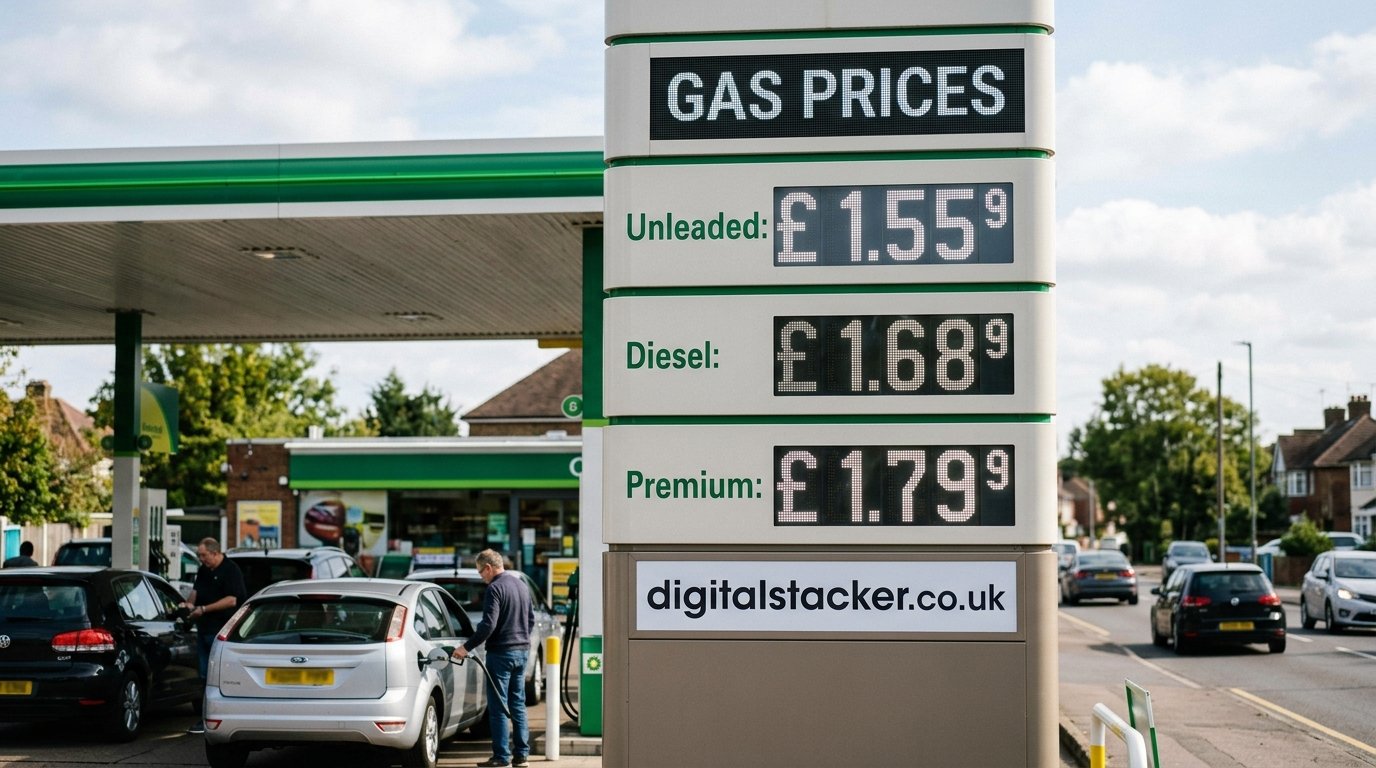
Gas prices are one of the biggest ongoing expenses for millions of drivers. Whether you commute to work every day, run a business that depends on transportation, or simply enjoy road trips, the price you pay at the pump has a direct impact on your budget. Fuel costs change frequently, sometimes even from one day to the next, leaving many people wondering why prices rise so quickly and what causes them to fall.
Understanding how gas prices work can help consumers make smarter financial decisions. Many factors influence the cost of gasoline, including crude oil prices, refining capacity, supply and demand, seasonal trends, taxes, and global events. By learning what drives fuel prices and how to manage fuel consumption, drivers can reduce expenses while staying informed about changes in the energy market.
What Gas Prices Really Mean
Gas prices represent the amount consumers pay for gasoline after it has been produced, refined, transported, and delivered to local gas stations. Although the price displayed on a station’s sign appears simple, it reflects a long supply chain involving crude oil producers, refineries, fuel distributors, transportation companies, wholesalers, and retailers. Every stage contributes to the final price paid by drivers.
The cost of gasoline is also affected by market conditions. When demand for fuel increases or supplies become limited, prices often rise. Likewise, when oil production grows or demand decreases, prices may fall. Since gasoline is traded in a global energy market, local fuel prices are influenced by both domestic and international developments, making regular fluctuations a normal part of the industry.
The Biggest Factors That Influence Gas Prices
Crude oil remains the single largest contributor to gasoline prices because it is the primary raw material used to produce fuel. When global crude oil prices increase due to supply disruptions, production cuts, or growing demand, gasoline prices generally rise as well. Major oil-producing countries and international energy markets play an important role in determining these price movements.
Refining costs, transportation expenses, fuel distribution, and government taxes also contribute to the amount consumers pay at the pump. Unexpected refinery maintenance, severe weather, pipeline disruptions, or shipping delays can temporarily reduce fuel supplies, leading to higher prices in certain regions. Retail competition among gas stations may also create small price differences within the same city.
Seasonal Changes and Fuel Price Trends
Gas prices often follow seasonal patterns throughout the year. During spring and summer, demand typically increases as families travel for vacations, businesses expand transportation activities, and warmer weather encourages more driving. At the same time, many regions switch to summer-blend gasoline, which is designed to reduce air pollution but costs more to produce.
During the fall and winter months, gasoline demand frequently declines as travel slows and refineries return to producing less expensive winter fuel blends. While seasonal changes do not guarantee lower prices every year, they often contribute to predictable shifts in average fuel costs. Weather events such as hurricanes can temporarily interrupt refinery operations, causing sudden increases in gasoline prices regardless of the season.
Why Gas Prices Differ by Location
Drivers often notice significant differences in gas prices between states, cities, and even neighborhoods. These variations occur because fuel taxes, transportation costs, environmental regulations, and local competition differ from one region to another. Areas located closer to refineries or major fuel distribution centers may benefit from lower transportation expenses.
Population density and regional demand also influence local gasoline prices. Urban areas with high traffic volumes may experience different pricing patterns than rural communities. Tourist destinations, remote locations, and regions with limited fuel suppliers may see higher prices because of increased demand or additional transportation costs. These local factors explain why fuel prices are rarely identical across different locations.
Global Events and Their Impact on Fuel Costs
The gasoline market responds quickly to significant international events. Political instability in oil-producing regions, economic sanctions, military conflicts, natural disasters, and shipping disruptions can reduce global oil supplies or create uncertainty in energy markets. Even the possibility of future supply shortages may cause crude oil prices to increase before actual production changes occur.
Economic growth also plays an important role in determining fuel demand. When industries expand and consumer spending increases, transportation activity rises, leading to greater gasoline consumption. During economic slowdowns, demand for fuel often weakens, which can place downward pressure on gas prices. Because energy markets are interconnected, developments in one part of the world frequently influence prices elsewhere.
How Inflation and the Economy Affect Gas Prices
Inflation affects nearly every part of the fuel supply chain. Rising labor costs, equipment expenses, transportation charges, and maintenance costs can increase the overall price of producing and delivering gasoline. Although crude oil remains the largest cost component, inflation adds pressure throughout the production and distribution process.
Interest rates, currency values, and consumer confidence also influence gasoline demand. Strong economic activity generally increases commercial transportation and personal travel, resulting in higher fuel consumption. Conversely, slower economic conditions may reduce demand, contributing to more stable or lower gasoline prices. Understanding these broader economic influences helps explain why fuel costs often move alongside major financial trends.
Practical Ways to Save Money on Gas
Although drivers cannot control market prices, they can reduce overall fuel expenses through efficient driving habits. Maintaining proper tire pressure, avoiding unnecessary idling, reducing aggressive acceleration, and keeping vehicles well maintained can improve fuel economy. Regular engine maintenance and clean air filters also help vehicles operate more efficiently, reducing gasoline consumption over time.
Planning trips carefully can further lower fuel costs. Combining errands into a single journey, avoiding heavy traffic when possible, and choosing routes with fewer stops may decrease fuel usage. Many drivers also benefit from monitoring local fuel prices through mobile apps or purchasing gasoline when prices temporarily decline, allowing them to manage transportation expenses more effectively.
The Future of Gas Prices and Energy Markets
Gas prices will likely continue changing as technology, environmental policies, and consumer behavior evolve. Improvements in vehicle fuel efficiency, increasing adoption of electric vehicles, and investments in renewable energy sources may gradually influence long-term gasoline demand. However, gasoline is expected to remain an essential transportation fuel for many years, particularly for commercial transportation and long-distance travel.
Energy companies continue investing in cleaner refining technologies and improved production methods while governments pursue policies aimed at balancing energy security, affordability, and environmental sustainability. These developments may reshape fuel markets over time, but global oil supply and consumer demand will continue to play major roles in determining gasoline prices in the foreseeable future.
Staying Informed About Daily Fuel Price Changes
Gas prices can change quickly, making it helpful for consumers to stay informed before filling their tanks. Many fuel tracking services provide real-time updates based on local stations, allowing drivers to identify lower prices nearby. Monitoring market trends can also help explain sudden price increases that may result from refinery outages, severe weather, or changes in crude oil markets.
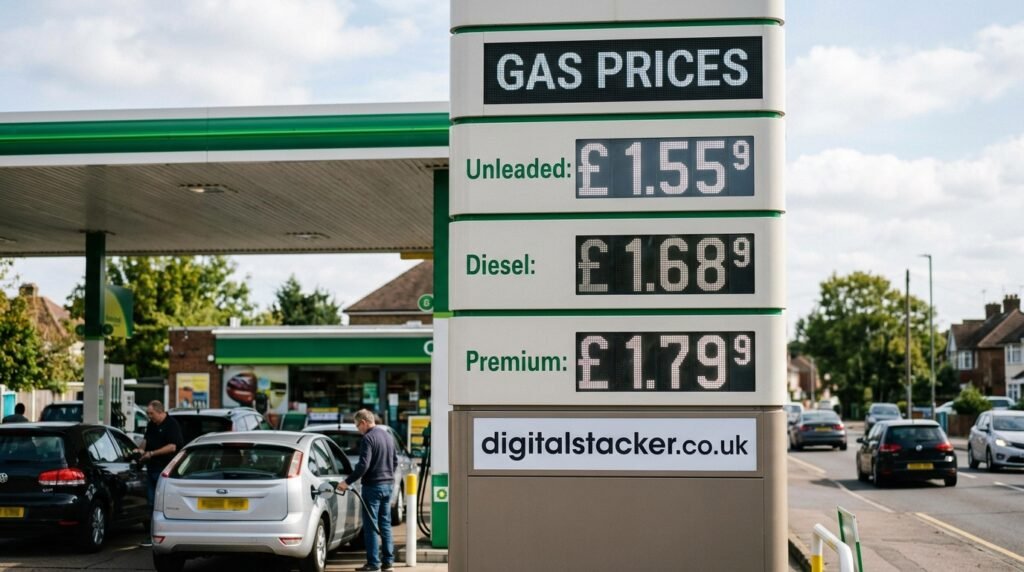
Reliable information is especially valuable during periods of high price volatility. Following trusted energy reports and official government data provides better insight than relying on rumors or speculation. Understanding the reasons behind price changes allows consumers to make informed decisions while avoiding unnecessary concern over short-term market fluctuations.
Conclusion
Gas prices are influenced by a complex combination of crude oil costs, refining capacity, transportation expenses, taxes, seasonal demand, economic conditions, and global events. While these factors often create frequent fluctuations, understanding how the fuel market works helps drivers make informed decisions and better manage transportation expenses. Although no one can predict gas prices with complete accuracy, staying informed about energy market trends and adopting fuel-efficient driving habits can reduce overall fuel costs. As technology continues to evolve and energy markets adapt to changing consumer needs, gasoline prices will remain an important economic indicator that affects households, businesses, and the broader economy.
FAQs
What is the main factor that affects gas prices?
The price of crude oil is the largest factor because it accounts for a significant portion of the cost of producing gasoline. Changes in global oil supply and demand often have the biggest impact on prices at the pump.
Why do gas prices change so often?
Gas prices change due to fluctuations in crude oil prices, refinery operations, seasonal demand, transportation costs, taxes, weather events, and global economic conditions.
Why are gas prices different from one location to another?
Regional taxes, transportation expenses, environmental regulations, supply availability, and competition among local gas stations all contribute to price differences between locations.
Do gas prices usually increase during the summer?
Yes. Gas prices often rise during spring and summer because travel demand increases and refineries produce more expensive summer gasoline blends designed to reduce emissions.
How can drivers reduce gasoline expenses?
Drivers can lower fuel costs by maintaining their vehicles, driving smoothly, keeping tires properly inflated, reducing unnecessary trips, avoiding excessive idling, and monitoring local fuel prices before filling up.
