



Introduction
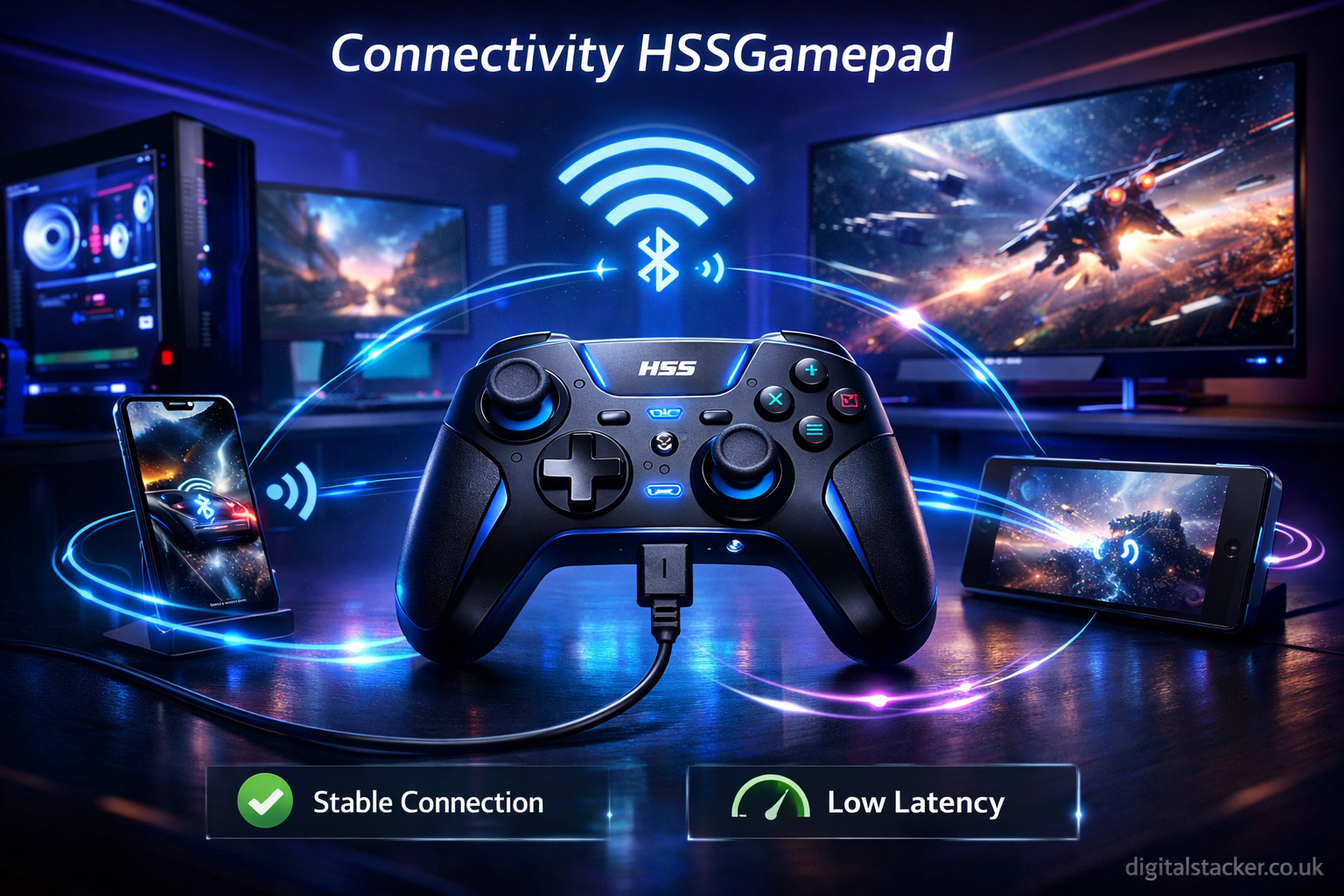
Connectivity HSSGamepad is an increasingly relevant topic in today’s gaming landscape, where seamless interaction between devices and controllers is essential for an immersive experience. As gaming expands beyond traditional consoles into smartphones, tablets, PCs, and smart TVs, the need for reliable and efficient controller connectivity has become more important than ever. Gamers expect instant response times, stable connections, and compatibility across multiple platforms, and this is where HSSGamepad connectivity plays a critical role.
In simple terms, connectivity HSSGamepad refers to how a game controller connects and communicates with different devices using wired or wireless technologies. A well-connected gamepad ensures that every input—whether it’s a button press, joystick movement, or trigger action—is transmitted without delay. This level of responsiveness is essential not only for competitive gaming but also for casual players who want a smooth and enjoyable experience. Understanding how this connectivity works and how to optimize it can significantly enhance overall gameplay.
Understanding the Basics of HSSGamepad Connectivity
At its core, HSSGamepad connectivity revolves around the communication between the controller and the host device. This communication can occur through wired connections like USB or wireless technologies such as Bluetooth. Each method has its own mechanism, but the primary goal remains the same: to transmit input signals quickly and accurately from the controller to the device.
Wireless connectivity, particularly Bluetooth, has become the most widely used method due to its convenience and flexibility. It allows gamers to connect their controllers without cables, making it ideal for mobile gaming and living room setups. On the other hand, wired connectivity provides a direct link, ensuring consistent performance and eliminating the risk of interference. Both options are widely supported in modern HSSGamepads, giving users the freedom to choose based on their needs.
Key Features That Define Connectivity Performance
The performance of connectivity HSSGamepad depends on several important features that directly impact user experience. One of the most critical features is low latency, which refers to the delay between user input and on-screen action. A high-quality gamepad ensures minimal latency, allowing for precise and responsive gameplay, especially in fast-paced genres like shooting or racing games.
Another defining feature is multi-platform compatibility. Modern HSSGamepads are designed to work seamlessly across different operating systems, including Android, Windows, and sometimes iOS. This cross-platform functionality reduces the need for multiple controllers and makes it easier for gamers to switch between devices. Additionally, features like automatic reconnection and adaptive connectivity enhance convenience by maintaining stable connections without requiring constant manual setup.
Common Connectivity Challenges Faced by Users
Despite advancements in technology, users often encounter connectivity issues with HSSGamepads. One of the most common problems is pairing failure, where the controller is unable to establish a connection with the device. This can occur due to incorrect settings, outdated software, or compatibility issues between the controller and the device.
Another frequent issue is intermittent disconnection during gameplay. This problem can be particularly frustrating, as it disrupts the gaming experience and may even affect performance in competitive scenarios. Input lag is also a major concern, where there is a noticeable delay between pressing a button and seeing the action on the screen. These challenges highlight the importance of understanding and optimizing connectivity for a better gaming experience.
Causes Behind Connectivity Problems
Several factors can contribute to connectivity problems in HSSGamepads. One of the primary causes is outdated firmware or drivers. Devices and controllers rely on software to communicate effectively, and outdated versions can lead to compatibility issues or reduced performance. Regular updates are essential to ensure smooth operation.
Environmental factors also play a significant role. Wireless interference from other devices, such as Wi-Fi routers, Bluetooth speakers, or even other controllers, can weaken the signal and cause disruptions. Physical barriers like walls or long distances between the controller and device can further impact connectivity. Additionally, low battery levels in wireless controllers can reduce signal strength, leading to unstable connections.
Setting Up HSSGamepad for Optimal Connectivity
Proper setup is crucial for achieving the best connectivity performance with an HSSGamepad. For wireless connections, users should ensure that Bluetooth is enabled on their device and that the controller is in pairing mode. Following the correct pairing process and confirming the connection in device settings can help avoid initial setup issues.
For wired connections, using a high-quality USB cable and ensuring that the ports are clean and functional can make a significant difference. In some cases, installing specific drivers or software may be required to unlock full functionality. Taking the time to set up the controller correctly not only improves performance but also reduces the likelihood of future connectivity problems.
Comparing Wired and Wireless Connectivity Experiences
Wired and wireless connectivity offer different experiences, each with its own advantages. Wired connections are known for their reliability and stability. Since they use a direct physical link, they are not affected by interference or signal loss. This makes them ideal for competitive gaming, where consistent performance is essential.
Wireless connectivity, however, provides greater convenience and freedom of movement. Players can sit back and enjoy gaming without being restricted by cables. This is particularly beneficial for mobile gaming or playing on larger screens. However, wireless connections may be affected by interference and require proper management to maintain stability. Choosing between the two depends on individual preferences and gaming needs.
Effective Ways to Troubleshoot Connectivity Issues
Troubleshooting connectivity issues in HSSGamepads involves identifying the root cause and applying practical solutions. One of the first steps is to restart both the controller and the device, as this can resolve temporary glitches. Ensuring that both devices are updated with the latest software can also fix compatibility issues.
Another effective approach is to minimize interference by turning off nearby wireless devices or moving closer to the connected device. Checking battery levels and replacing or recharging them can also improve performance. For wired connections, testing different USB cables or ports can help identify and resolve hardware-related issues. These simple troubleshooting steps can often restore stable connectivity quickly.
Enhancing Gaming Performance Through Better Connectivity
Improving connectivity HSSGamepad is not just about fixing problems; it is also about enhancing overall gaming performance. Maintaining a strong and stable connection ensures that every input is registered accurately, which is crucial for achieving better results in games. Gamers who invest in optimizing their connectivity often notice a significant improvement in responsiveness and control.
Regular maintenance, such as updating firmware, cleaning ports, and managing Bluetooth connections, can go a long way in maintaining performance. Additionally, understanding the limitations of your setup and making necessary adjustments can help create a more reliable gaming environment. By focusing on connectivity, players can unlock the full potential of their HSSGamepad and enjoy a more immersive experience.
Future Developments in Gamepad Connectivity Technology
The future of connectivity HSSGamepad is shaped by ongoing advancements in technology. Newer Bluetooth versions are being developed to offer faster speeds, lower latency, and improved stability. These improvements will make wireless connectivity more reliable, reducing the gap between wired and wireless performance.
Emerging technologies such as cloud gaming and cross-platform integration are also influencing the evolution of gamepad connectivity. As more games become accessible across different devices, the demand for seamless and universal connectivity will continue to grow. Manufacturers are likely to focus on creating smarter controllers that can automatically adapt to different environments and provide optimal performance without manual intervention.
Read More:Ria Sommerfeld Biography, Career, Age, Life & Facts
Conclusion
Connectivity HSSGamepad is a vital component of modern gaming that directly affects how players interact with their games. From understanding the basics of how connections work to addressing common issues and optimizing performance, every aspect of connectivity plays a role in shaping the gaming experience. A reliable connection ensures smooth gameplay, quick response times, and uninterrupted enjoyment.
As technology continues to evolve, the importance of strong and efficient connectivity will only increase. By staying informed, maintaining proper setup, and applying best practices, gamers can ensure that their HSSGamepad delivers consistent and high-quality performance. Ultimately, mastering connectivity is key to unlocking a truly immersive and satisfying gaming experience.
